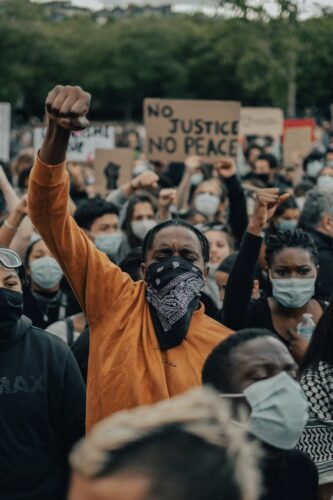
Disabled people in the South are disproportionately impacted by the criminal legal system at the state and federal level.
Disability is increasingly policed and criminalized while individuals who are forced to interact with the carceral system oftentimes become disabled.
New Disabled South opposes the mass detention, the forced removal, and the forced disappearance of all peoples, including the criminalization of immigration and the demonization of immigrants.
New Disabled South believes in the decriminalization of living while disabled and the abolition of the prison industrial complex.
Of people killed by police in the United States are people with disabilities
Of disabled African Americans have been arrested by age 28
Source: Inter-American Commission on Human RightsOf people in state prisons report a disability
Of state and federal prison populations may have a disability when mental health and cognitive conditions are included